

151+ Premarital Counseling Questions
Adequate marriage preparation is essential to ensuring a long-lasting and successful relationship. Premarital counseling provides an opportunity to discuss key topics that are relevant to the formation of marital relationships. This article will offer 101 premarital counseling questions that couples planning to get married can use to pinpoint areas of agreement or disagreement as well as potential sources of conflict.
The list of premarital counseling questions provided has been assembled from many resources and organized into categories such as communication, finances, family dynamics, leisure activities, religion/spirituality, sex/intimacy, and values. These pertinent questions cover a broad range of issues related to marriage and serve as conversation starters between engaged couples seeking guidance in preparing for their new life together.
Each question should not only encourage thoughtful reflection but also allow each partner in the couple to share his or her unique perspective with one another before taking the plunge into matrimony. Therefore, this article offers valuable insight into how couples can start off their marriages on sound footing through meaningful dialogue about common challenges faced during the early stages of marriage.
Premarital counseling is an activity that has become increasingly popular among couples who are planning to get married. It can be seen as a form of marriage preparation and is often viewed as the necessary first step before tying the knot. But what exactly does premarital counseling entail? To understand premarital counseling, it’s important to consider its definition and meaning.
By definition, premarital counseling is a type of therapy designed to help engaged couples prepare for marriage in healthy ways. The purpose of this kind of counseling is not just to discuss wedding plans but also to identify potential issues or challenges that might arise during the marriage and address them before any damage occurs. Premarital counselors typically focus on topics such as communication styles, conflict resolution strategies, finances, family dynamics, and roles within the relationship.
In addition to providing practical advice about these topics, premarital counseling can also provide couples with insight into their personalities and expectations from their partner to foster a better understanding between them. This helps ensure both individuals have realistic expectations regarding each other’s behavior in the future, so they don’t set themselves up for disappointment down the line.
Ultimately, premarital counseling offers couples a chance to learn more about each other while deepening their bond right away – all before taking those fateful vows. With this knowledge on hand at the altar and beyond, couples will be well-equipped to handle whatever life throws at them together.
Reasons For Pre-Marital Counseling
Premarital counseling is an invaluable approach to preparing for marriage. By engaging in pre-marriage counseling, couples can gain insight into their personalities and expectations from the other person while also learning practical advice on communication styles, finances, conflict resolution strategies, and more. Pre-marital counseling provides a safe space where both parties can speak openly about any anxieties or concerns they may have regarding their upcoming union. Through this kind of dialogue, couples become better equipped to handle whatever life throws at them together.
One of the most important aspects of premarital counseling is that it allows each individual to express his or her unique needs and desires before taking those fateful vows. This gives each partner time to consider if he or she feels comfortable with what has been discussed before committing. Additionally, many therapists recommend attending at least one session even after tying the knot, as there will always be new issues arising during married life.
In addition to providing emotional support, premarital counselors offer real-world advice tailored specifically to the couple’s relationship dynamic. From tips on how best to deal with in-laws to guidance on managing financial decisions, premarital counselors provide valuable knowledge and resources that help ensure marital success down the line.
With such immense benefits, it’s no surprise why so many couples choose to engage in premarital counseling before getting married. Not only does this practice provide useful information, but it also helps create a strong foundation upon which committed relationships are built, benefiting not just the individuals involved but society as a whole. With these advantages in mind, preparation for premarital sessions should begin well in advance of any scheduled appointments.
Preparation For Counseling Sessions
As the saying goes, “An ounce of prevention is worth a pound of cure.” This proverb certainly applies to premarital preparation for couples who are getting ready to tie the knot. Now more than ever, investing in quality premarital counseling sessions can provide invaluable guidance and advice that will be beneficial for years to come. To ensure the most effective outcome from these important appointments, couples should dedicate some time ahead of their session to plan and prepare adequately.
First off, partners should make sure they have an understanding of what topics will be discussed during their counseling sessions. A qualified therapist typically covers areas such as communication styles, expectations around finances and managing extended family members, conflict resolution techniques, and other essential life skills. By having an idea about which areas need addressing before attending a session, each partner can begin preparing their thoughts accordingly. Additionally, both parties may benefit from taking inventory of any personal issues or unresolved matters that could potentially become stumbling blocks further down the line – no matter how small or insignificant they might seem now.
Another key aspect of pre-session planning revolves around discussing and agreeing on certain ground rules ahead of time so that both partners feel comfortable expressing themselves freely without fear of judgment or criticism from one another. Clear boundaries must also be set regarding acceptable behaviors within the therapy setting itself; such as ensuring physical contact remains appropriate at all times while respecting each other’s privacy throughout discussions concerning past relationships and experiences.
Finally, TIP: Before the commencement of counseling sessions, it is wise for every couple to take a few moments out together beforehand just to connect emotionally and mentally before delving into deeper topics later on in the day. Doing this allows them both to enter the room with focused mindsets instead of distracted ones, making for better outcomes overall.
Discussions Of Personal Histories
A major part of premarital counseling covers each partner’s past relationships and any associated traumatic experiences. This can be a difficult subject to address, as it requires both parties to be open and honest with one another about their emotional baggage. Couples need to remember that these discussions are normal, healthy parts of the process; being able to discuss past traumas openly helps partners develop trust in one another, which is essential for future success in marriage.
To ensure an effective outcome from such conversations, couples should focus on listening more than speaking during this stage. Taking turns expressing thoughts and feelings while allowing the other person uninterrupted time to share their perspective will prove helpful when trying to build understanding between the two individuals. Additionally, agreeing beforehand on how much detail is appropriate and acceptable prioritizes respect over opinionated viewpoints, something which must remain consistent throughout all sessions.
As well as exploring personal histories together, pre-marriage counseling also aims at helping partners recognize individual needs within the relationship itself, irrespective of what has happened in the past or who may have been involved before they got together. Herein lies a key point: every couple will face unique challenges regarding communication styles and expectations around intimacy depending on their particular life circumstances; acknowledging this fact allows them both to move forward confidently into their new lives together without bringing unnecessary drama along for the ride.
Last but not least, it’s vitally important for engaged couples to spend time discussing vulnerable topics like those mentioned above so that they do so in an environment where no judgment or criticism exists between either member of the pair. Doing so releases some pressure off sensitive subjects that could otherwise become heated if handled incorrectly – enabling better progress overall towards becoming emotionally prepared for marriage commitments ahead.
TIP: When having deep conversations concerning personal histories during counseling sessions, take regular breaks when needed; allowing plenty of breathing space between hard topics gives both people enough room emotionally and mentally to absorb the information properly instead of feeling overwhelmed by too much input at once.
Financial Expectations
Financial expectations are another important factor to consider when undergoing premarital counseling. Money management, budgeting, and financial planning can be especially difficult for couples who come from different backgrounds or have contrasting outlooks on the matter. Both parties must communicate openly and honestly to ensure a cohesive fiscal plan is established before entering into a legal marriage agreement.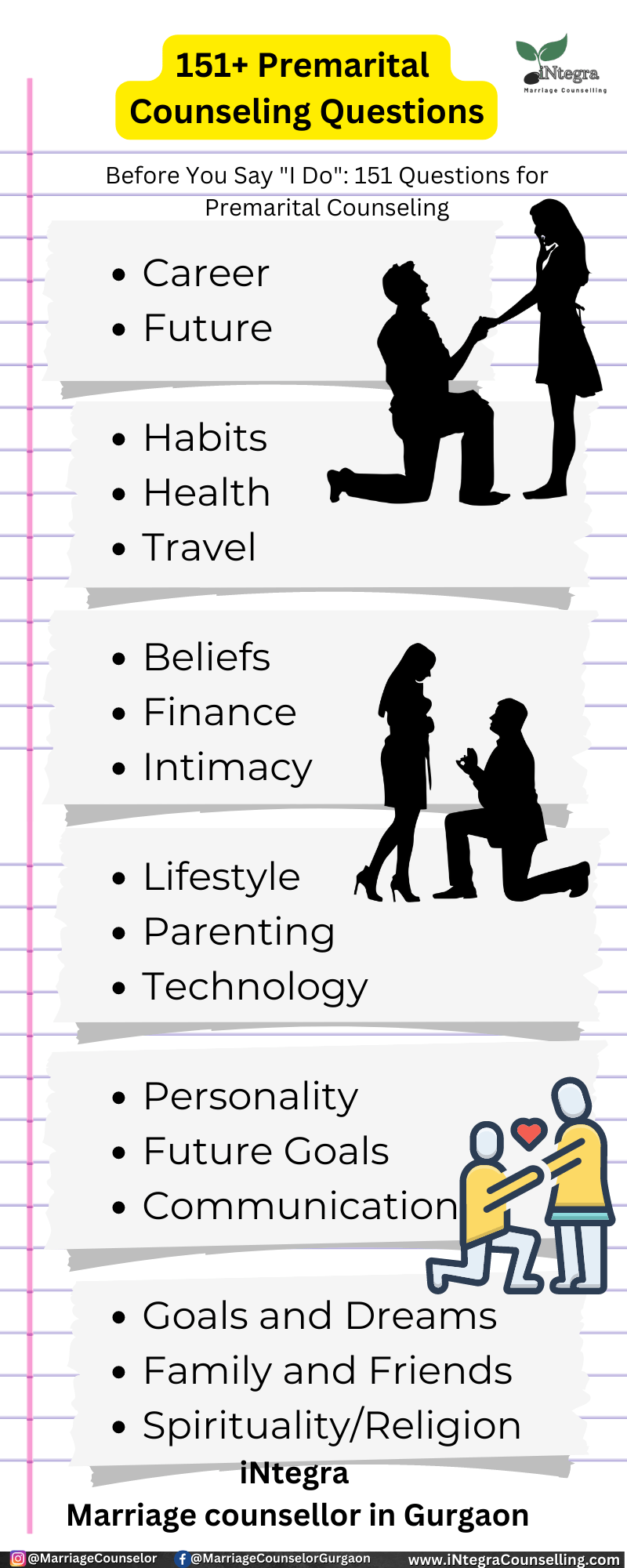
The first step towards developing a successful plan should involve discussing each person’s individual views on money – including what it means to them personally, how they prefer to save or spend it if there are any debts or investments they wish to make before uniting their finances officially, etc. This information will then enable the couple as a whole to create an effective strategy tailored specifically to their needs, ultimately leading them closer to achieving common goals such as building savings accounts, paying off student loans more quickly, etc.
When creating this shared vision of success, it’s also wise for partners to discuss potential scenarios that could arise during their marriage – such as job loss, illness, death of either party, etc – so that appropriate plans can be created effectively (including insurance policies). Additionally, couples should keep track of all expenses throughout their relationship so that disagreements around spending do not occur later down the line. Herein lie two main points:
- • Understanding one another’s perspectives on money allows couples to establish trust with one another early on in the process
- • Developing sound financial strategies ensures both people feel secure about future economic stability within their union
These conversations may seem daunting at first, but open communication between partners is paramount here; coming up with solutions collectively rather than individually helps build mutual respect, while working through complex matters like these together strengthens bonds over time too. From establishing budgets and agreeing upon liabilities before tying the knot, addressing financial issues now will help prevent problems from arising unexpectedly further down the line.
Discussing Family Dynamics
Family dynamics play an integral role in a successful marriage. Understanding the family structure of both partners, as well as how each interacts with their respective families, is essential for creating harmonious relationships within the union. This includes recognizing cultural and religious backgrounds, which may affect various decisions related to child-rearing or other matters down the road. It’s also important to note that any pre-existing conflict between either person’s relatives must be resolved before officially entering into wedlock – so that it does not carry over into the newly formed relationship.
Moreover, discussing plans for introducing children (if applicable) will help prevent disagreements from arising further on in time; this is especially pertinent if one partner already has kids from a previous relationship. Additionally, couples should consider what type of environment they wish to create at home based on individual family values and traditions, such as setting up holidays according to each person’s preferences or establishing rules around screen time, etc. Establishing these expectations ahead of time helps ensure everyone feels comfortable moving forward together without feeling like certain aspects are being compromised unnecessarily later down the line.
It is also important for couples to understand how they plan to handle potential issues involving extended family members who might interfere in their lives once married; developing strategies now can save them trouble later when dealing with difficult people. Knowing how to navigate these situations beforehand allows spouses to stand united against outside influences while standing firm on their personal beliefs/values too – thus strengthening bonds even more so than before.
Ultimately, by understanding one another’s families and forming clear boundaries early on in the process, partners can effectively establish trust while cultivating strong familial ties within the union itself – ultimately leading towards long-lasting happiness & harmony throughout life together.
Responsibilities And Roles In Marriage
With marriage comes a set of responsibilities and roles that must be fulfilled by both partners to ensure a successful relationship. These roles may vary depending on the couple’s backgrounds, interests, and expectations for their union; however, couples need to discuss and agree upon these duties before entering into matrimony. This includes discussing financial matters such as how bills will be paid, who will handle the budgeting, or if one partner will stay home with children while another works – all so there are no misunderstandings about what each person is responsible for during their marriage.
It is also essential to recognize any pre-existing differences between spouses about household tasks & chores like cleaning, yard work/gardening, etc., which can become points of contention further down the road without proper communication. Additionally, couples should take time beforehand to assign various areas of responsibility that they feel comfortable handling, whether this involves cooking meals together every night or alternating days off from work (if applicable). By establishing these understandings ahead of time, individuals can avoid feelings of resentment towards one another later in life due to inequitable marital roles and responsibilities.
In addition to this division of labor within the household itself, couples must remember that they are now operating as a team rather than two separate entities, meaning decisions made have an impact on both parties equally. Therefore it is vital for them to openly communicate their hopes and dreams before officially tying the knot; this could include topics such as where would you like to travel together? Or do either of you wish to pursue higher education degrees? Understanding these goals at the onset ensures everyone remains united throughout future endeavors too.
Having candid conversations surrounding marriage role expectations early on in the process allows partners to create strong foundations based on mutual respect & understanding – thus setting the stage for ongoing success going forward together.
Conflict Resolution Strategies
Research has found that almost 70% of couples who divorce cite a lack of effective conflict resolution strategies as one of the main reasons for their separation. While it is normal and healthy to experience disagreements in any relationship, having an understanding beforehand of how to handle these disputes can go a long way toward preventing further issues from arising down the line.
To ensure successful dispute resolution with your partner, here are some tips that may be useful during moments of marital discord:
- Be open to compromise: It is important to remember that there is no “right” or “wrong” answer when dealing with conflicts within marriage – instead, both parties should strive to reach a middle ground that works best to satisfy the needs of all involved.
- Listen and Understand: A key component in resolving any issue lies in listening intently to what the other person is saying without interruption so they feel heard and understood (which will help build trust between two people). Additionally, try putting yourself in the shoes being discussed; this helps gain a better perspective on the situation at hand.
- Stay calm and collected: In a heated moment, it is easy to act out emotionally, but taking deep breaths and counting back 10 can help center yourselves before continuing the conversation productively. This ensures everyone stays focused on the task at hand rather than lashing out aimlessly due to pent-up frustration or anger.
Using these methods allows couples to approach problem-solving more collaboratively, thus providing an opportunity for deeper connection through honest communication even during difficult times. With proper guidance, individuals can learn valuable skills such as empathy and patience, thereby strengthening bonds overall.
Communication Skills
Communication is an important part of any successful relationship. It is vital to be able to express thoughts, feelings, and desires healthily so that each partner can understand the other’s point of view. Good communication involves both active listening skills as well as effective verbal and non-verbal cues. This helps to ensure understanding between partners and allows for the resolution of issues without further conflict.
To improve communication, there are several strategies couples may employ to strengthen their connection through conversation. First, it is helpful to make sure both parties feel heard by actively listening with full attention before responding. Additionally, making eye contact during conversations shows respect while also providing a visual cue when expressing emotions. Second, being clear and direct when speaking ensures that your message gets across effectively, which then allows time for constructive feedback from the other party involved. Finally, maintaining open body language, such as uncrossed arms or legs, signals willingness to participate in dialogue; this conveys openness and acceptance toward others’ opinions.
Both parties must become aware of their communication styles so they can adjust accordingly when necessary; this will help foster better relationships all around. By practicing these various techniques regularly, individuals gain insight into how to handle conflicts more constructively thereby strengthening the overall bond between them.
Domestic Violence Awareness
Domestic violence affects individuals and families everywhere. Awareness helps, because people who can recognise the signs of abuse are better able to get help and to seek safety. Education about abuse, for both children and adults, should cover the warning signs and where to find support for anyone experiencing or witnessing it.
A key component of domestic violence awareness is understanding the various forms of abuse that may occur within relationships; these include physical, sexual, emotional/psychological, and financial mistreatment. People must be aware of what constitutes abusive behavior so they can recognize warning signs if present. By educating the public on this matter, more people will have access to knowledge, which may ultimately lead them toward safer choices when faced with difficult situations.
In addition to teaching people about different types of abuse, it is important to promote healthy relationship dynamics through discussion topics such as communication techniques, respect and boundaries, and problem-solving skills, all crucial elements needed for successful partnerships. Prevention initiatives like workshops or events could serve as platforms for furthering this dialogue amongst community members, who would then be better equipped to create effective solutions if faced with disputes or conflicts at home.
Understanding domestic violence is essential to properly identify cases where intervention may be necessary; by informing ourselves on how best to respond we can potentially save lives by responding appropriately when alerted of dangerous situations. Through increased education surrounding this subject matter, society’s attitudes towards it will hopefully evolve into ones that prioritize safety over silence in times of crisis. With enough dedication towards promoting positive change regarding domestic issues, progress against its occurrences will surely follow suit, opening up pathways towards healthier households everywhere. As attitudes toward children form another critical area relevant to building safe environments free from any kind of harm…
Attitudes Toward Children
As attitudes toward children are an integral part of creating safe and secure environments, it is important to consider the different approaches that may be taken regarding childbearing. Many parents-to-be have a range of expectations for their future offspring, from spiritual beliefs about parenting styles to physical demands regarding health care or education. It can be beneficial for couples to explore these topics before welcoming a new addition into the family as this will help them establish common ground when setting up guidelines for raising kids down the road.
Furthermore, understanding certain values associated with childrearing practices could also prove useful when navigating potential conflicts between partners over how they should go about caring for their young ones. Open conversations on matters such as discipline choices, financial responsibilities towards providing food and clothing, and leisure activities, amongst other points, might allay any misunderstandings before they arise. Such exchanges would allow both parties involved in parenthood to take stock of their objectives so that mutually agreeable solutions can be established accordingly.
When discussing parental duties or roles within households, it is essential to note that gender does not always determine who takes charge of what– young fathers have become increasingly active participants in childcare, while older mothers nowadays often remain professionally engaged after childbirth too. Thus, exploring flexible arrangements where either parent’s unique skill can come into play can open up avenues towards effective problem solving; ultimately allowing each member of the family unit to contribute according to his/her strengths and abilities.
By taking a holistic approach towards developing respectful relationships with our little ones, we may foster an environment conducive to building strong connections between generations, one based on mutual trust and understanding rather than fear or intimidation. As such, embracing constructive dialogue around parenting techniques could potentially lay the groundwork necessary for cultivating healthy familial ties well beyond the infancy stages. With proper guidance surrounding appropriate attitudes toward children, families may find themselves better equipped to face life’s challenges together as one united force. Onwards, then, to tackling sexual expectations and issues…
Sexual Expectations And Issues
When it comes to preparing for the physical and emotional demands of parenthood, sexual expectations and compatibility between partners may play a vital role in the success of any relationship. As such, premarital counseling may prove beneficial when addressing potential differences that could arise due to varying levels of comfort about sex.
 Note that having different outlooks on intimacy does not necessarily mean couples lack sexual chemistry; rather, it can be an opportunity to explore new perspectives as well as develop an understanding of each other’s needs and desires. Furthermore, determining how open one should be about discussing certain topics to feel comfortable engaging in intercourse (e.g., pornography) might also require attention from both parties involved before tying the knot to avoid any misunderstandings further down the line.
On top of that, issues related to contraception or protection against sexually transmitted diseases are additional matters that must be considered before commencing any kind of physical relations – especially if children are desired at some point in time during the marriage. Therefore, establishing these parameters early will make communication smoother once spouses decide they’re ready for conception.
Overall, taking stock of individual approaches toward sexuality can help couples better prepare themselves for building a strong foundation within their union, one based upon mutual trust and respect while simultaneously allowing them sufficient room for growth. By recognizing areas where conflict might occur ahead of its onset, newlyweds-to-be would be able to work together towards facing challenges without feeling overwhelmed by unexpected roadblocks.
Facing Challenges Together
Facing challenges together is an important part of any marriage, as navigating through difficult times can help strengthen relationships in the long run. When it comes to tackling such issues, couples should aim to understand each other’s perspectives and work towards finding a middle ground that both parties are comfortable with. This involves being open-minded while remaining mindful of individual needs, something that may take some time to establish but will ultimately result in better communication between partners down the line.
It also helps to remember that not all couple challenges need to be resolved right away; instead, taking a step back and revisiting conversations, later on, might prove beneficial when trying to find a solution that fits both spouses. Moreover, having at least one partner who is willing to listen without judgment allows for more meaningful dialogue where neither person feels like their opinion is valued; this way, progress can be made without either party feeling forced into making decisions they don’t feel entirely happy with.
In addition, seeking guidance from outside sources (e.g., close friends or family) could provide additional insight into potential solutions that weren’t considered previously by the couple and thus act as a catalyst for progress within certain areas of contention. That said, both individuals must maintain control over their situation rather than allowing someone else to dictate terms – what works best for them must always come first before anything else.
No matter how hard things get during arguments or disagreements, staying focused on the bigger picture and understanding why these debates occur in the first place will make it easier for couples to tackle marriage challenges head-on. Ultimately, knowing when compromises must be made and recognizing when lines shouldn’t be crossed will enable newlyweds-to-be to build strong foundations upon which successful marriages can emerge. By following these steps, spouses should have no trouble transitioning into the next phase: making decisions together…
Making Decisions Together
Making decisions together is a key component of any successful marriage, as couples are expected to make joint choices that affect both their lives. To do so effectively and equitably, spouses should start by understanding each partner’s position on the issue at hand – this could involve actively listening to one another’s point of view without judgment or interference from outside sources. Once a mutual consensus has been reached regarding the best course of action for all involved, only then can meaningful progress be made toward achieving collective goals.
When it comes to making such decisions as a couple, having respect for one another’s opinions while remaining open-minded is essential. This means avoiding situations where either party feels forced into taking positions they don’t agree with – instead, creating an environment where negotiation and compromise are welcome will ensure that decision-making processes remain fair and balanced. Additionally, showing appreciation for each other’s input during conversations about shared objectives allows partners to feel valued which ultimately reflects positively on overall relationship dynamics.
In some cases, however, certain matters may require more in-depth consideration before a final resolution can be found; if this happens, it would be prudent for couples to take time apart and assess individual needs before engaging in further discussion. Doing so enables them to come back refreshed with a renewed perspective which could prove instrumental when tackling particularly complex topics (e.g., financial planning). By following these steps faithfully, newlyweds-to-be should have no trouble navigating through what might otherwise be difficult times ahead.
Overall then, learning how to make joint decisions together is fundamental when building strong foundations upon which successful marriages thrive. While disagreements between spouses may still arise occasionally even after thorough deliberation takes place beforehand – provided both parties remain respectful of one another throughout such exchanges – solutions can often be identified sooner rather than later leading towards greater harmony within relationships over time…
Spiritual Beliefs And Practices
As newlyweds start out together, it is important to recognize the significance of spiritual beliefs and practices in marriage. Regardless of whether either partner identifies as religious or not, honoring each other’s faith backgrounds can prove integral when forming a deep connection with one another over time. This could involve engaging in conversations about shared values and discussing any conflicting viewpoints that may arise – such dialogue should remain respectful even if the two individuals do not agree on every aspect of spirituality.
Moreover, participating in spiritual rituals – which could range from attending church services to taking part in meditation sessions – can aid couples in deepening their understanding of what matters most to them both individually and collectively. Such activities will help foster an atmosphere of mutual support while also providing opportunities for personal growth; this way, partners can work towards establishing a strong foundation based upon trust and respect which bodes well for future marital success.
Additionally, couples should be mindful that certain holidays or special occasions might take on additional meaning given their religious affiliations – i.e., Muslims observe Eid al-Fitr after completing Ramadan while Christians celebrate Easter during springtime festivities. Thus, it would be wise for newlyweds-to-be to come up with creative ways to honor these events (e.g., exchanging cards or gifts) to demonstrate appreciation for one another’s spiritual traditions and belief systems. Doing so demonstrates care and consideration throughout all stages of life regardless of how busy things become along the path ahead.
In sum then, fostering an open dialogue about spiritual beliefs and practicing rituals are key components when building strong relationships between married couples. By recognizing the importance of honoring each other’s faiths at various points throughout their lives together, husband and wife alike will be able to grow closer emotionally through meaningful experiences that nurture deeper connections with one another…
Frequently Asked Questions
What Are The Legal Implications Of Getting Married?
Getting married is a legal contract that comes with many implications. Understanding the marriage laws and possible ramifications can be daunting, yet necessary for couples seeking to join in matrimony. For those considering tying the knot, premarital counseling offers an excellent opportunity to explore all aspects of marriage before taking their vows.
When discussing the legal implications of getting married during premarital counseling sessions, taxes are often at the forefront of the conversation. When two people become legally bound via marriage certificate, both parties must consider how signing onto this document will affect their tax returns. In many cases, filing jointly may result in tax savings through increased deductions or credits; however, it could also increase one’s total liability if not managed correctly. Additionally, individuals who were previously independent filers would need to factor in any potential differences between them when evaluating the benefits associated with joint taxation versus individual filings.
Another area that is typically discussed when exploring the legal implications of marriage within premarital counseling sessions relates to health insurance coverage. Marriage commonly provides access to more comprehensive coverage than what may be available when single, such as education on options for spousal surcharge plans, family add-ons, and other related matters, but there are considerations when determining if these changes make sense financially.
Finally, understanding estate planning needs should also be highlighted during premarital counseling sessions involving legal questions about marriage. This includes completing wills (or revoking old ones) and ensuring beneficiary designations are up-to-date on life insurance policies or retirement accounts so that desired assets transfer appropriately following death. Premarital counseling helps couples identify topics related to financial obligations upon entering into matrimony, enabling them to start their new union well-informed and prepared for success down the road.
How Will Our Marriage Affect Our Taxes?
Getting married can have a big impact on taxes for couples. How will our marriage affect our taxes? This is an important question to consider when discussing the financial implications of tying the knot.
Marriage affects how income and assets are taxed, as well as filing status. When two people marry, their combined annual incomes may change tax brackets or increase their overall taxable amount. Depending on where they live, there could also be certain tax deductions that become available after getting married. Couples should understand these potential changes beforehand so they can anticipate any additional costs associated with them.
Tax implications vary from state to state, but some of the most common impacts include:
1) Filing joint returns which may result in lower total taxes due;
2) Establishing shared liability for all debts incurred during a marriage; and
3) Receiving spousal benefits such as Social Security and Medicare credits upon retirement age.
Newlyweds need to evaluate their current financial situation together before changing their tax filing status. Doing this ahead of time allows each partner to identify areas where extra savings could be made by taking advantage of new marital discounts or other opportunities that come with being married. Additionally, couples should keep detailed records throughout the year to ensure accurate tax filing at the end of it, including itemized deductions related to medical expenses or charitable donations.
Being aware of these issues and having open conversations about finances before marriage can help minimize any surprises down the road. Knowing what we’re up against now makes us better prepared to face whatever comes next, financially speaking, once we say “I do.”
How Will Our Marriage Impact Our Relationships With Our Extended Family?
The onset of marriage brings with it a spectrum of changes, including an alteration in relationships between spouses and their extended families. As newlyweds settle into married life, the family dynamics are bound to be affected. Couples need to consider how these shifts may impact existing bonds among members of both sides of the family.
When two individuals come together in marriage, they become part of each other’s extended family network. This connection can have positive implications for both parties if managed properly; however, it can also lead to distress if not addressed thoughtfully. In light of this reality, premarital counseling questions should include those related to potential effects that matrimony could bring about within the web of familial relations.
As prospective partners look at conversations regarding their upcoming union, they must contemplate how their marital partnership might affect connections with relatives who already form part of their lives or will do so after the wedding ceremony takes place. Couples need to evaluate whether any family member’s feelings may change as a result of them becoming husband and wife – from grandparents to cousins – and determine what strategies could ameliorate any tension that may arise due to such alterations in relationships.
Having a clear understanding of the possible impacts that marriage may have on one’s extended family is indispensable before tying the knot. Investing time into analyzing all facets associated with nuptial transitions – especially when considering its influence over family relationships – is vital for an emotionally secure future as newlyweds pursuing lasting happiness together.
What Are The Differences Between Living Together And Being Married?
Living together and being married are two distinct life choices with various implications. Couples considering marriage often contemplate the differences between these two statuses to make an informed decision. Cohabitating refers to living in a domestic partnership, while marriage is recognized by law as a union that binds couples legally, financially, and emotionally.
Firstly, cohabitation is regarded differently from marriage under most laws. Although some countries have recently introduced civil unions or same-sex partnerships equivalent to heterosexual marriages, generally speaking, cohabiting partners do not enjoy the same rights such as access to health benefits and legal recognition of their relationship status as those who are officially wed. Similarly, if one partner dies without leaving behind a will, inheritance rules may be different for unmarried individuals compared to married spouses.
Secondly, there can also be financial advantages or disadvantages associated with each option, depending on the couple’s circumstances. Married couples typically incur tax savings due to filing jointly, whereas cohabitants must continue filing taxes separately unless they meet certain criteria to attain similar deductions available to married taxpayers. Moreover, both prenuptial agreements and postnuptial contracts exist, which could provide more security over finances when entering into formalized relationships like marriage but would not apply in cases of unmarried partners living with each other.
Finally, couples should consider emotional aspects when deliberating between cohabitation and marriage since this has the potential to impact family dynamics significantly; those around them might respond differently based on whether they remain solely roommates or become husband and wife. For instance, parents’ approval may be sought before taking steps towards getting married, even though it would not necessarily be necessary for forming a residential partnership alone. Meanwhile, friends may treat them differently once rings are exchanged, perhaps bestowing extra attention during wedding planning or honeymooning phases than when merely dating, underscoring how social perception plays an important role here too.
In sum then, distinctions abound between opting for mere cohabitation versus tying the knot: from legal standing derived via marital vows through financial ramifications from joint taxes down to subjective feelings evoked among peers regarding changes in lifestyle choice
What Is The Best Way To Balance Our Individual Needs With Our Marital Expectations?
Balancing what each of you needs as an individual with what you expect from the marriage is one of the most useful conversations to have before you marry. Understanding each other’s goals, values, communication style and the roles you each imagine helps you manage your differences with respect, while leaving room for both of you to keep growing.
The key to finding this balance lies in effective communication within the marriage. Both individuals should be open about what they need from the relationship, how much time they are able and willing to dedicate, as well as any possible areas of disagreement or contention. By discussing these topics openly in a safe atmosphere, couples can gain insight into one another’s perspectives on various issues that affect the quality of their union. Additionally, such conversations may reveal potential conflicts so that strategies can be devised ahead of time if necessary.
Mutual compromise is also essential when attempting to achieve a balanced relationship. Couples must learn how to adjust their own preferences and negotiate when discrepancies arise by taking into account both sides’ interests and desires. Collaboration over decision-making helps establish trust between two people while encouraging them to focus on shared objectives rather than individual ones. Furthermore, it teaches couples how to effectively resolve disputes without resorting to power struggles or aggressive tactics which could damage the bond of partnership in the long run.
Ultimately, remaining mindful of one another’s wants and needs allows for more harmonious relationships where both parties feel satisfied with the outcome. Marriage balance does not mean sacrificing oneself completely; rather, it entails compromising together towards mutually beneficial solutions that support each partner’s expectations along with the overall health of their marriage.
151+ Premarital Counseling Questions
Beliefs
- What is your religion or spiritual belief system?
- How do you feel about the role of religion or spirituality in a relationship?
- How do you feel about having children and raising them with certain beliefs?
- How do you feel about the roles of men and women in a relationship?
- What are your views on marriage?
Communication
- How do you feel about communicating your needs and feelings in a relationship?
- How do you handle conflicts and disagreements in a relationship?
- How do you prefer to communicate with your partner (e.g., in-person, by phone, text, or email)?
- How do you feel about keeping secrets from your partner?
- How do you feel about discussing difficult topics in a relationship?
Career
- What are your career aspirations?
- How do you feel about balancing work and personal life?
- How do you handle work-related stress?
- How do you feel about supporting your partner’s career goals?
- How do you feel about taking breaks from work to focus on personal or family matters?
Family and Friends
- How do you feel about spending time with each other’s families?
- How do you want to balance time spent with family and friends?
- How do you want to handle conflicts related to family or friend relationships?
- How do you want to maintain healthy relationships with each other’s families and friends?
- How do you want to handle conflicts related to holidays or special events with family?
- How do you feel about having children?
- What kind of relationship do you have with your parents and siblings?
- How do you feel about extended family involvement in our relationship?
- How do you feel about taking care of aging parents or relatives?
- What kind of family dynamics did you grow up with?
- How do you feel about spending time with your partner’s family?
- How do you feel about having children and starting a family?
- How do you feel about adopting or fostering children?
Future
- What are your long-term goals and aspirations?
- How do you envision our life together in the future?
- How do you feel about moving or living in different places?
- What kind of legacy do you want to leave behind?
- How do you feel about retirement and planning for the future?
Future Goals
- What are your long-term goals for your relationship?
- What are your individual long-term goals (e.g., career, personal growth)?
- How do you feel about financial planning and saving for the future?
- How do you handle uncertainty or change in regard to future plans?
- How do you want to support each other in achieving your goals?
Finance
- What are your financial goals?
- How do you manage your finances?
- How do you feel about sharing financial responsibilities in a relationship?
- How do you handle disagreements about money?
- Do you have any outstanding debts or financial obligations?
Goals and Dreams
- What are your personal goals and dreams for the future?
- How do you want to support each other’s goals and dreams?
- What kind of goals and dreams do you have as a couple?
- How do you want to handle conflicts related to individual or shared goals?
- How do you want to work together to achieve your goals and dreams?
Habits
- What are your morning and nighttime routines?
- How often do you exercise or engage in physical activity?
- Do you have any habits that could negatively impact our relationship (such as smoking, drinking excessively, or drug use)?
- How do you cope with stress?
- How important is personal hygiene to you?
Health
- How do you prioritize your physical health and wellness?
- How do you handle mental health challenges (e.g., anxiety, depression)?
- How do you feel about taking care of your partner’s health needs?
- How do you feel about discussing health concerns with your partner?
- How do you handle medical emergencies or unexpected health challenges?
Intimacy
- How do you feel about physical affection in a relationship?
- How often do you need physical intimacy?
- How important is emotional intimacy to you?
- How do you feel about experimenting sexually in a relationship?
- How do you feel about discussing your sexual past?
Lifestyle
- How do you like to spend your free time?
- How do you feel about trying new experiences?
- How do you handle social situations (e.g., parties, gatherings)?
- How do you feel about balancing individual and shared interests in a relationship?
- How do you feel about maintaining separate hobbies and interests in a relationship?
Parenting
- How do you feel about having children in the future?
- How do you want to handle parenting responsibilities as a couple?
- What kind of parenting style do you envision for your family?
- How do you want to raise your children in terms of values and beliefs?
- How do you want to handle conflicts related to parenting decisions?
Personality
- How do you describe your personality?
- How do you handle conflicts or disagreements?
- How do you communicate your emotions and feelings?
- How do you prefer to spend your free time?
- How do you handle change or unexpected situations?
Spirituality/Religion
- How important is spirituality or religion in your life?
- How do you feel about your partner’s beliefs if they differ from your own?
- How do you want to practice your spirituality or religion in your relationship?
- How do you handle conflicts related to religious or spiritual beliefs?
- How do you want to raise your children regarding spirituality or religion?
- How do you feel about spirituality or religion in your relationship?
- What kind of spiritual or religious practices do you engage in?
- How do you want to support each other’s spiritual or religious beliefs and practices?
Travel
- How important is travel to you?
- What kind of travel experiences do you enjoy?
- How do you handle travel planning and decision-making as a couple?
- How do you feel about traveling without your partner?
- How do you feel about traveling with other couples or friends?
- How do you feel about traveling together as a couple?
- How do you want to handle conflicts related to travel or leisure preferences?
- How do you want to prioritize time for relaxation and leisure activities as a couple?
- How do you want to plan and prepare for travel or leisure activities together?
Technology
- How do you feel about using technology in your relationship?
- How do you handle conflicts related to technology use (e.g., social media, texting)?
- How do you feel about sharing passwords or access to personal devices?
- How do you feel about technology use during meals or quality time together?
- How do you feel about sharing your location or using location-tracking apps?
Love is not a blueprint proposition, but generally one can form a general idea of the individual that will suit him/her. Of course, we are not referring to such trivialities which teen hearts think of as “ tall, dark, and handsome but instead to how much premium you place on such factors as these :
- Appearance
- Educations
- Family background
- Health and vigor
- Intelligence
- Occupation and success in it
- Personality
- Religious and political affiliation
- Residence
- Special hobbies and interests
- Special skills and experience
Some of these traits may be inconsequential to you, while others may be of paramount importance. All of them make a difference and may be a constant source of annoyance. Religion often makes much more of a difference and may become a crucial issue, especially in inter-caste marriages. iNtegra Marriage counselor in Delhi and Gurgaon is approached by soon-to-be-married couples or by two people in love who are thinking of settling down for pre-marital counseling so they can have a long-lasting happy marriage.
Will it disturb you too much to have to postpone a social outing at the last minute if he has to tend to an emergency patient because he is a doctor or wants to be one? If that’s the case, you should probably find a business partner who keeps more regular hours. Would the fact that he teaches and your father is a no-nonsense businessman leave you with the impression that your spouse is a fluffy academic? Are you independent enough to spend two or three evenings a week on your own alone or with people you trust while he is at one of his mandatory evening meetings as a public servant? Suppose he enjoys camping and hiking, but you prefer asphalt and five-star hotels for your “roughing it.” Do you make adjustments so he may join you, or do you send him out on his own?
You should always keep in mind that marriage does nothing to alter a person’s basic worldview. In other cases, you’ll need to make adjustments or arrange for separate fun. Your spouse, who prefers the great outdoors, may agree to attend a few city events with you as a sign of compromise, but he will need at least ten days of his two-week vacation to do whatever he pleases. This may seem unjust to the woman, but in our culture, a man’s career is the deciding factor in where she lives, who she associates with, what sort of entertainment she enjoys, what kind of hours she works, and how far she advances socially.
When choosing a life partner, compatibility rather than perfection is prioritized.
Conclusion
Marriage is a sacred commitment between two people and should not be entered into lightly. It requires both individuals to look into their hearts, minds, and souls to ensure they are ready for the long-term bond marriage brings. Just like any relationship, it takes hard work and dedication from both parties for it to be successful. Pre-marital counseling can help partners understand each other’s needs better, as well as provide an opportunity to share honest expectations of one another before taking the plunge. If you can spend three days together, then you can join the Premarital Retreat Bootcamp to go over these questions with the counselor.
The road to a successful marriage starts with premarital counseling; allowing couples to explore questions such as how living together differs from being married, what legal implications come along with getting married, and how their taxes will be impacted by the union. This type of exploration allows couples to gain insight into themselves, their partner, and the overall dynamic of their future marriage. It acts almost like a bridge connecting them closer together while also giving them some space if needed.
Like building a puzzle piece by piece, premarital counseling helps partners bring all the aspects of marriage together – understanding expectations within relationships with extended family members, balancing individual needs versus marital ones – so that when they finally say “I do” on their wedding day they have laid down strong foundations for a lasting partnership full of love and mutual respect.
Questions about premarital questions
How to use the question list well.
How do we use these questions?
One section at a time, not all at once. Read them out loud to each other and notice which ones are hard to answer.
What if we disagree on an answer?
That is useful, not a failure. The disagreement tells you what to plan for, and a counsellor can help you work it through.
Should we answer these before or after the wedding?
Before, where possible. It is much easier to adjust plans now than to renegotiate them later.